

Home › MacBook and laptop screen protectors
MacBook and laptop screen protectors from amFilm
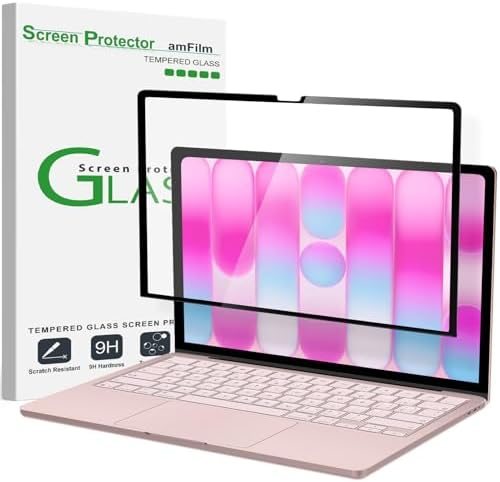
Laptop panels rarely get dropped, so the damage here is pressure marks from the keyboard and glare from the office ceiling. These sheets are thinner than a phone protector so the lid still closes without touching, and the matte and privacy versions are the two most people actually want.

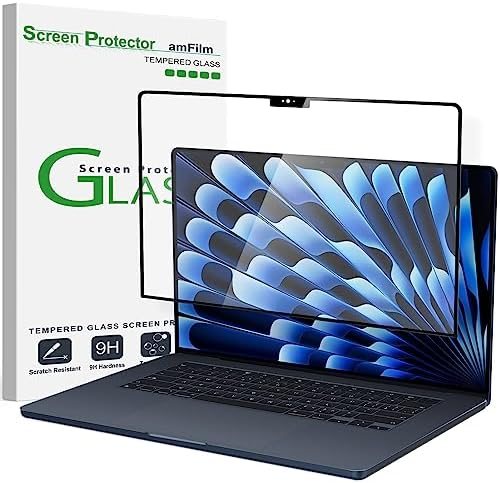
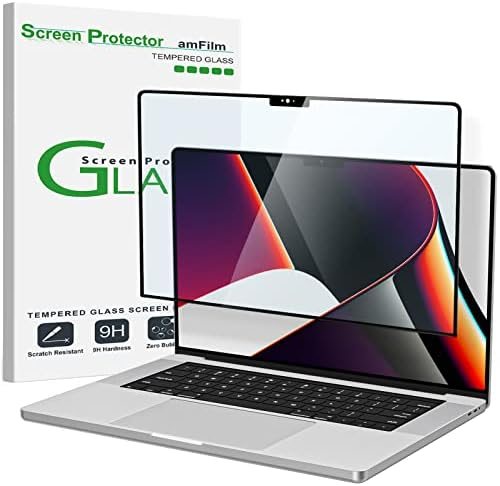
How we cut this shelf
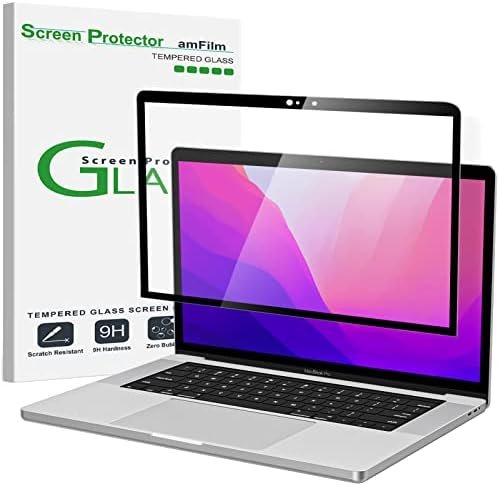
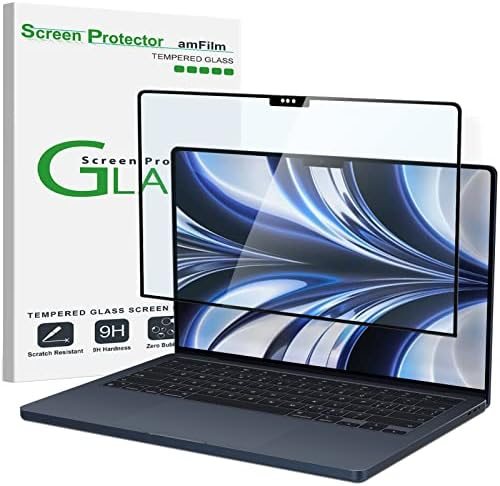
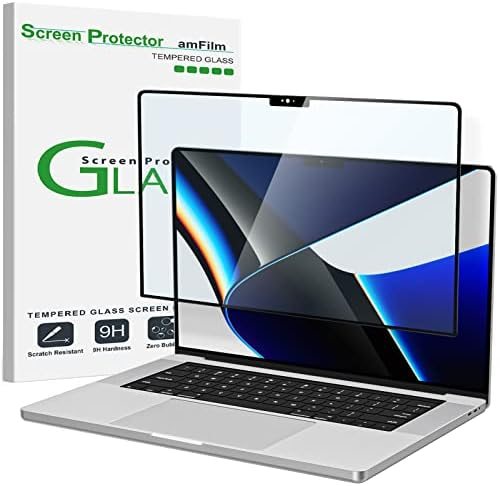
Every sheet on this shelf is the same 9H tempered glass we put in our flagship sets, cut to the model it names. Scratches come from grit in a pocket, not from fingers, and a hardened surface is the only thing that stops them reaching the original panel. If a drop does land badly the protector takes the impact and the damage stops there — you lose a sheet of glass instead of a display. We size each one to leave a case-safe margin, polish the edge so it does not catch, and pack a spare wherever the device is one people keep for more than a year.
Before you fit it
Dust decides the result, not dexterity. Give the room an hour to settle, use the wet wipe then the dry cloth then the sticker, and check the surface against a window before the sheet goes down. With an alignment tray the glass never hovers over the screen, which is where particles land. Press once in the middle and let the adhesive do the rest — edge bubbles clear themselves within a day.
Common questions
Is tempered glass better than a plastic screen protector?
For almost every device, yes. Tempered glass is rigid, so it spreads the force of an impact across its whole surface and then gives way on purpose. Plastic film is flexible and simply passes the energy to the original screen. Glass also feels like glass under a finger, which film never does.
What are the disadvantages of tempered glass screen protectors?
They are thicker than film, they can lift at the corner on a curved display if the fit is wrong, and a hard enough hit will crack the protector even when the device survives. That last one is the point rather than a fault — the sheet takes the damage so the panel does not.
How is tempered glass different from the glass already on my phone?
The panel glass on a modern phone is a hardened aluminosilicate designed for stiffness across a large area. Our tempered glass screen is a thin sacrificial layer tuned to absorb a point impact and shatter safely. They do different jobs, and one does not replace the other.
